
Overview: Copper Peptides in Preclinical Research
Copper peptides represent a well-characterised class of research compounds with documented roles in cellular signalling, collagen biosynthesis modulation, and antioxidant pathway activation. Two compounds now available at EdgeChems — SNAP-8 (Acetyl Octapeptide-3) and AHK-Cu (Alanine-Histidine-Lysine Copper) — occupy distinct but complementary research niches within this space.
This post covers the molecular basis, studied mechanisms, and research context for both compounds, with references to the broader peptide literature.
SNAP-8 (Acetyl Octapeptide-3): SNARE Complex Research
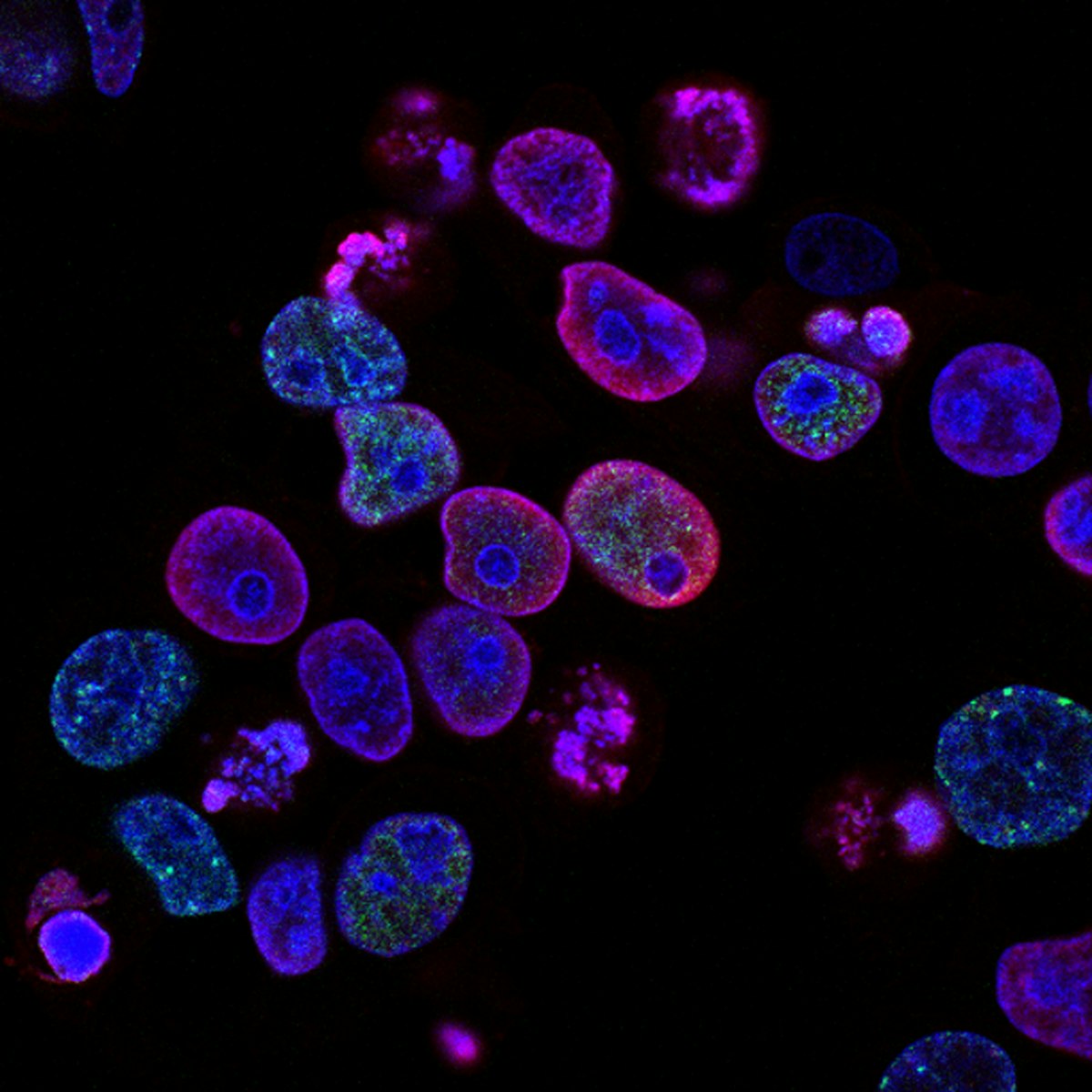
SNAP-8, formally known as Acetyl Octapeptide-3, is a synthetic eight-amino-acid peptide with the sequence Ac-EEMQRRAD-NH₂. It belongs to the same class as the well-known Argireline (Acetyl Hexapeptide-3), differing by the addition of two amino acids that researchers hypothesise enhance receptor interaction potential.
Mechanism of Study: SNARE Complex Modulation
The primary research interest in SNAP-8 centres on its structural homology to the N-terminus of SNAP-25 — a core component of the SNARE (Soluble NSF Attachment Protein Receptor) complex. The SNARE complex governs synaptic vesicle docking and fusion, a process fundamental to neurotransmitter exocytosis including acetylcholine release at the neuromuscular junction.
In vitro research has examined SNAP-8 as a competitive inhibitor of SNARE complex formation, with the hypothesis that displacing endogenous SNAP-25 from the complex could modulate the amplitude of muscle end-plate potentials — effectively reducing vesicle fusion efficiency under experimental conditions.
| Parameter | SNAP-8 (Acetyl Octapeptide-3) |
|---|---|
| CAS Number | 868844-74-0 |
| Molecular Formula | C₄₁H₇₀N₁₆O₁₂ |
| Research Category | Neuromuscular / Anti-Aging |
| Format (EdgeChems) | 10mg liquid vial |
| Purity | ≥98% HPLC verified |
EdgeChems supplies SNAP-8 in 10mg liquid vials at research-grade purity (≥98% HPLC). The extended eight-residue sequence distinguishes it from the hexapeptide Argireline and represents an expanded research model for studying neuromuscular junction signalling in vitro.
AHK-Cu (Alanine-Histidine-Lysine Copper): Copper Tripeptide Research

AHK-Cu is a copper(II)-chelated synthetic tripeptide comprising the amino acid sequence Alanine-Histidine-Lysine. It belongs to the copper peptide family, which includes the extensively studied GHK-Cu (Glycine-Histidine-Lysine Copper). The AHK sequence presents a structurally related but distinct motif, and is investigated for its potential complementary activity in cellular regeneration models.
Studied Mechanisms: Collagen, MMP, and Antioxidant Pathways
Copper peptide research broadly investigates three overlapping biological mechanisms:
- Collagen and elastin biosynthesis: Copper ions act as cofactors for lysyl oxidase, the enzyme responsible for cross-linking collagen and elastin fibrils. Copper-chelating tripeptides like AHK-Cu are studied as delivery vehicles for bioavailable Cu²⁺ in fibroblast model systems.
- Matrix metalloproteinase (MMP) modulation: Research has examined whether copper peptides influence MMP-1 (collagenase), MMP-2 (gelatinase), and their endogenous tissue inhibitors (TIMPs) — a balance central to extracellular matrix remodelling studies.
- Antioxidant enzyme upregulation: Cu²⁺ is a cofactor for superoxide dismutase (SOD). Studies have examined copper peptide effects on SOD activity and downstream reactive oxygen species (ROS) modulation in cellular models.
| Parameter | AHK-Cu | GHK-Cu (reference) |
|---|---|---|
| CAS Number | 130120-57-9 | 89030-95-5 |
| Molecular Formula | C₁₃H₂₂CuN₆O₄ | C₁₄H₂₄CuN₆O₄ |
| Amino Acid Sequence | Ala-His-Lys | Gly-His-Lys |
| Format (EdgeChems) | 100mg liquid vial | Available separately |
The AHK sequence replaces Glycine with Alanine at position 1, introducing a methyl side chain. Researchers studying structure-activity relationships in the copper tripeptide family may find AHK-Cu (100mg) valuable for comparative in vitro work alongside GHK-Cu models.
Comparing SNAP-8 and AHK-Cu in Anti-Aging Research Models
While both compounds are catalogued under anti-aging research, their mechanisms are entirely distinct:
- SNAP-8 targets neuromuscular signalling — specifically SNARE-mediated acetylcholine vesicle release. Research models focus on neuromuscular junction function and signal amplitude.
- AHK-Cu targets the extracellular matrix and redox environment — collagen cross-linking, MMP balance, and copper-dependent enzyme activity in fibroblast systems.
Together they represent two of the key pillars of anti-aging preclinical research: neuromuscular signalling modulation and extracellular matrix maintenance. Both are available at EdgeChems as HPLC-verified liquid vials for laboratory investigation.
Explore the full anti-aging research catalog: EdgeChems Anti-Aging & Longevity. All compounds are supplied for laboratory and research purposes only and are not intended for human or veterinary use.